

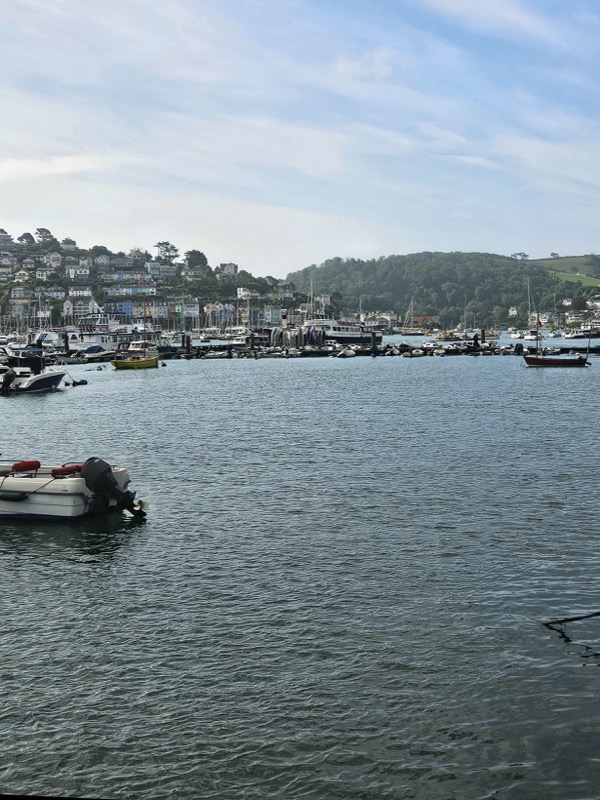
Home to the only Naval Officer College in the country, the Navy has a longstanding relationship with Dartmouth and the River Dart. Dating back to 1863, the College previously housed students in ‘hulks’ (ships), moored on the river.
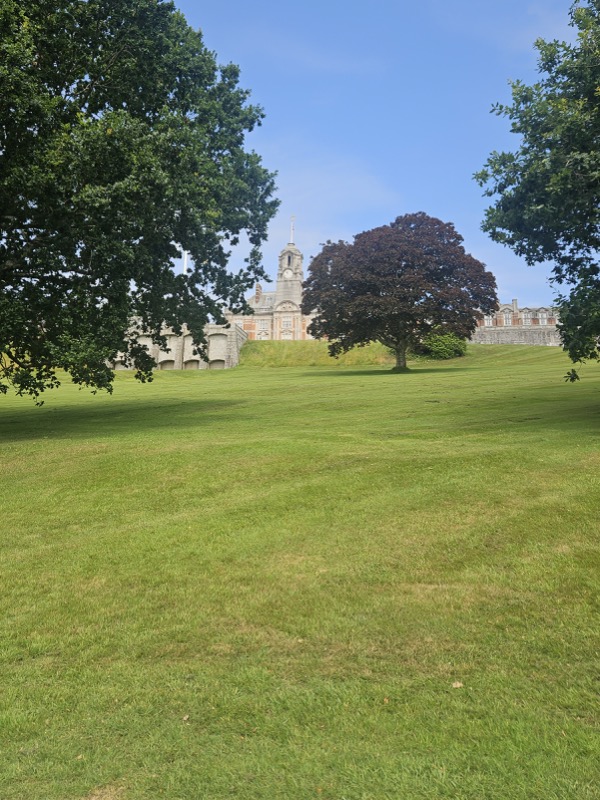
Today, located in an imposing Edwardian building overlooking the town and bustling river, the College plays a vital role in the UK’s defense. It provides officer training and leadership development for Royal Naval cadets and supports defense diplomacy efforts by training international officers.
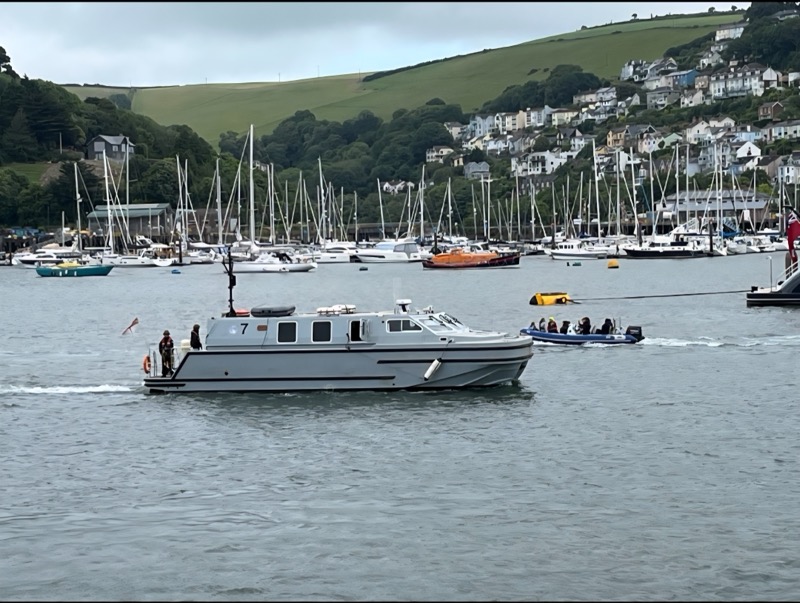
The River Dart is still a crucial part of the training at Dartmouth. Cadets learn maritime skills on the water, in all conditions and weathers, using a wide variety of boats. Recently, the Royal Navy took possession of a small fleet of Vahana sea-class work-boats, six of which are in use by the College. These seagoing craft enable training to extend to open waters, beyond the confines of the Dart and provide a more ship-like experience for cadets.
In celebration of the college’s 120th anniversary and in deference to the Dart’s residential and visiting seabirds, students named the new Vahana boats: Cormorant, Guillemot, Razorbill, Kittiwake, Fulmar, Skua, Gannet and Tern.
Practice sessions and Navy exercises are a common sight on the river and outside the harbour confines, as students are put through their paces helming, crewing and protecting their craft. Seamanship, navigation, diving support and leadership are amongst the essential skills that they will take forward into their careers.
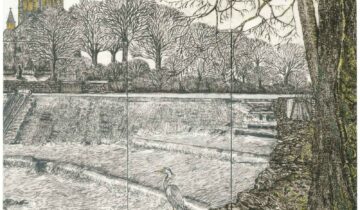
River Reflections
…enduring connections. Naval traditions and history.
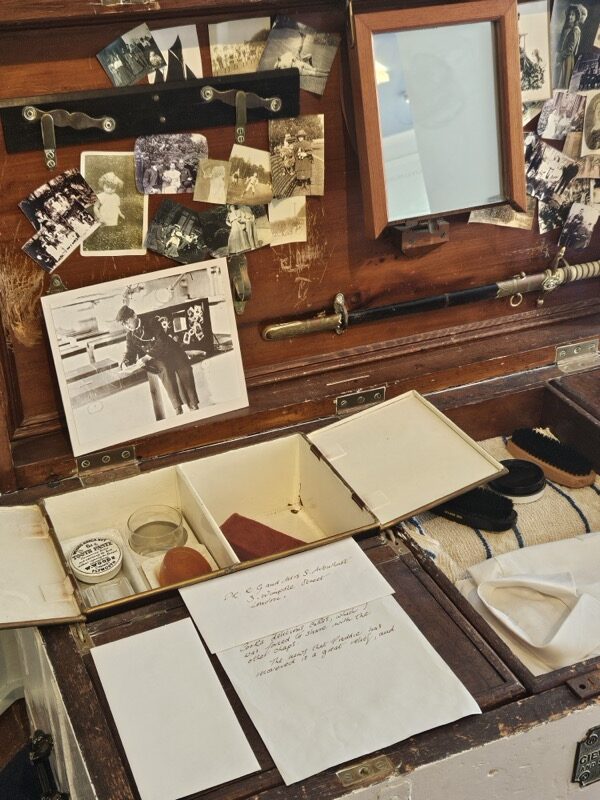
The rich history, traditions, customs and practices of the Navy can be found in the College’s Museum. Open to all, it promotes the heritage of the Royal Navy.
The Museum’s collections document the changes in Dartmouth’s officer training over the years, Naval education in general and the history of the College and its buildings during the previous 160 years.
Home to an array of artefacts and archives: model ships, naval diaries, maps, logbooks, photographs and battle plans, the Museum celebrates the lives and times of those who have passed through the college to serve and protect our shores and demonstrates its deep connections to the Dart, Dartmouth and Devon.
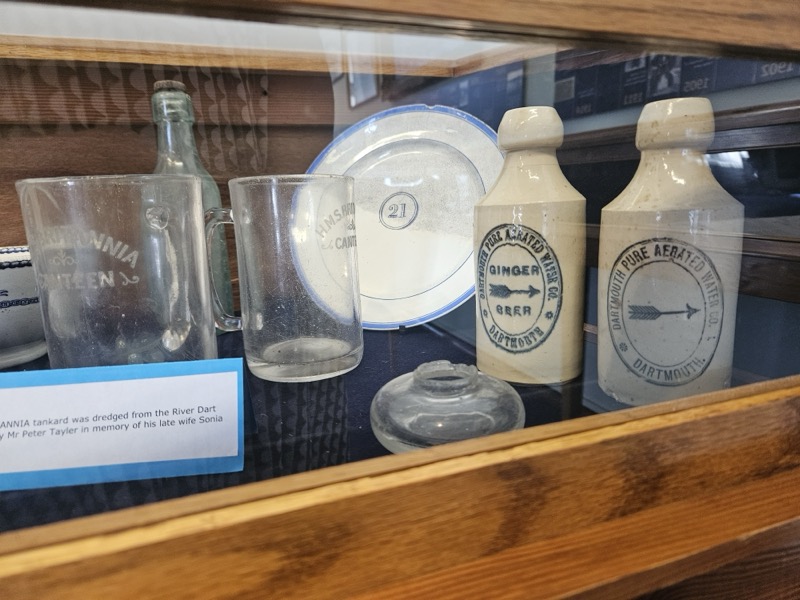
A quirky reminder of the College’s long history of training officers, is a collection of crockery, bottles and drinking vessels recovered from riverbed, the majority turfed overboard by mischievous cadets on board the hulks. The pristine grounds of the College and ship-shape training vessels tell a different story today!
Field Notes
Creative Collaboration between Megan Hall and Britannia Royal Naval College
Being invited as a local printmaker to create a design inspired by the Royal Britannia Naval College was such a joy- made even more special by my personal connection through my partner who passed out in 2012. It was such a privilege to contribute something meaningful to a place with such rich history and tradition.
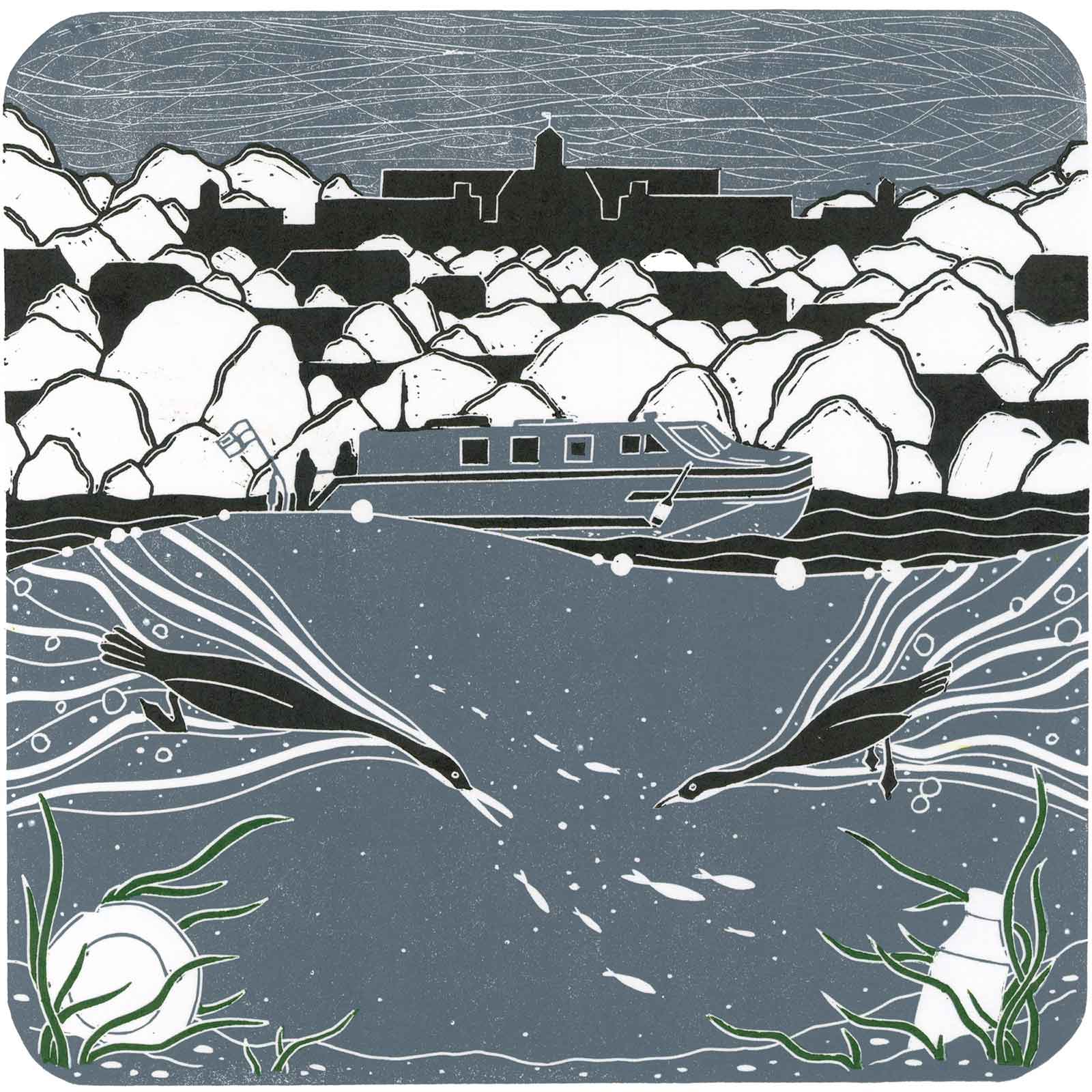
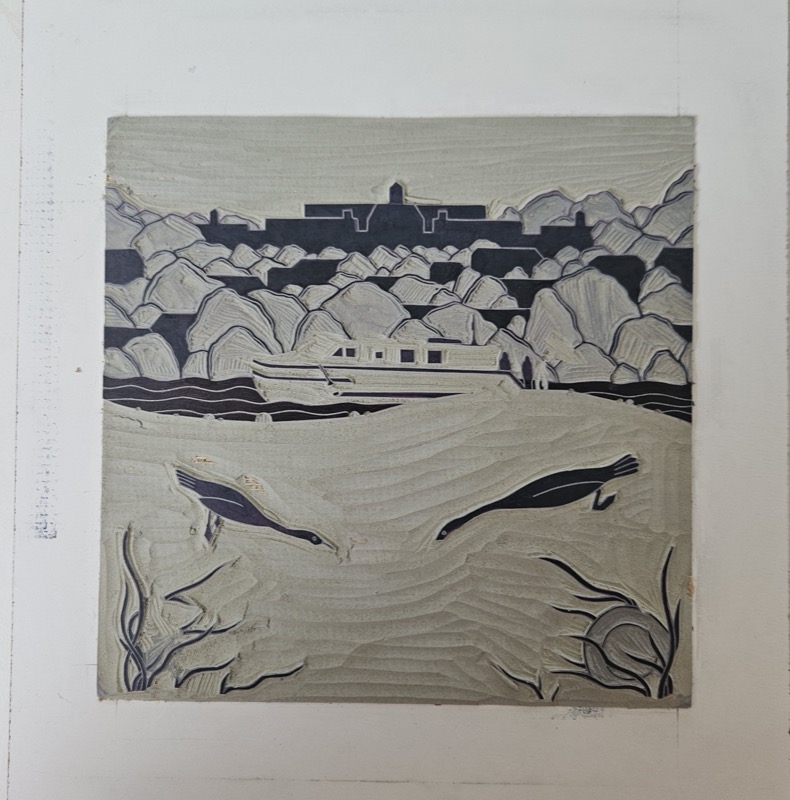
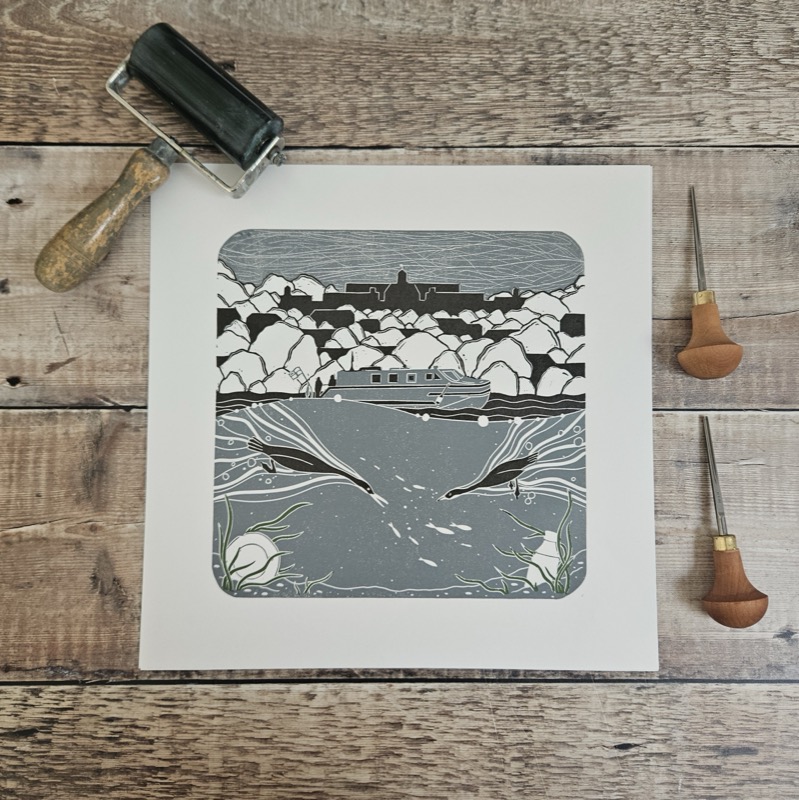
The objective of this image is to depict the new Vahana class of boats used to train Officer cadets whilst also acknowledging the long history between the River Dart and BRNC.
- Above/Below focal point.
- Border is a rope pattern found on intact pieces of recovered ceramics from the riverbed.
- Diving cormorants bring a natural element to the subject matter and show BRNC working alongside the local wildlife. Also ticks brief requirement.
- Above the water will be windy and grey, this reflects both the weather on a typical February day and BRNC Officer in training “battling” against the elements.
- Items half submerged in riverbed are recovered artifacts from Naval history and will have local connections to the surrounding area
- Colour palette will be using the grey and dark brown with a potential pop of the dark green for seaweed.
Site Visit and Inspiration
In the Studio

 No products in the basket.