

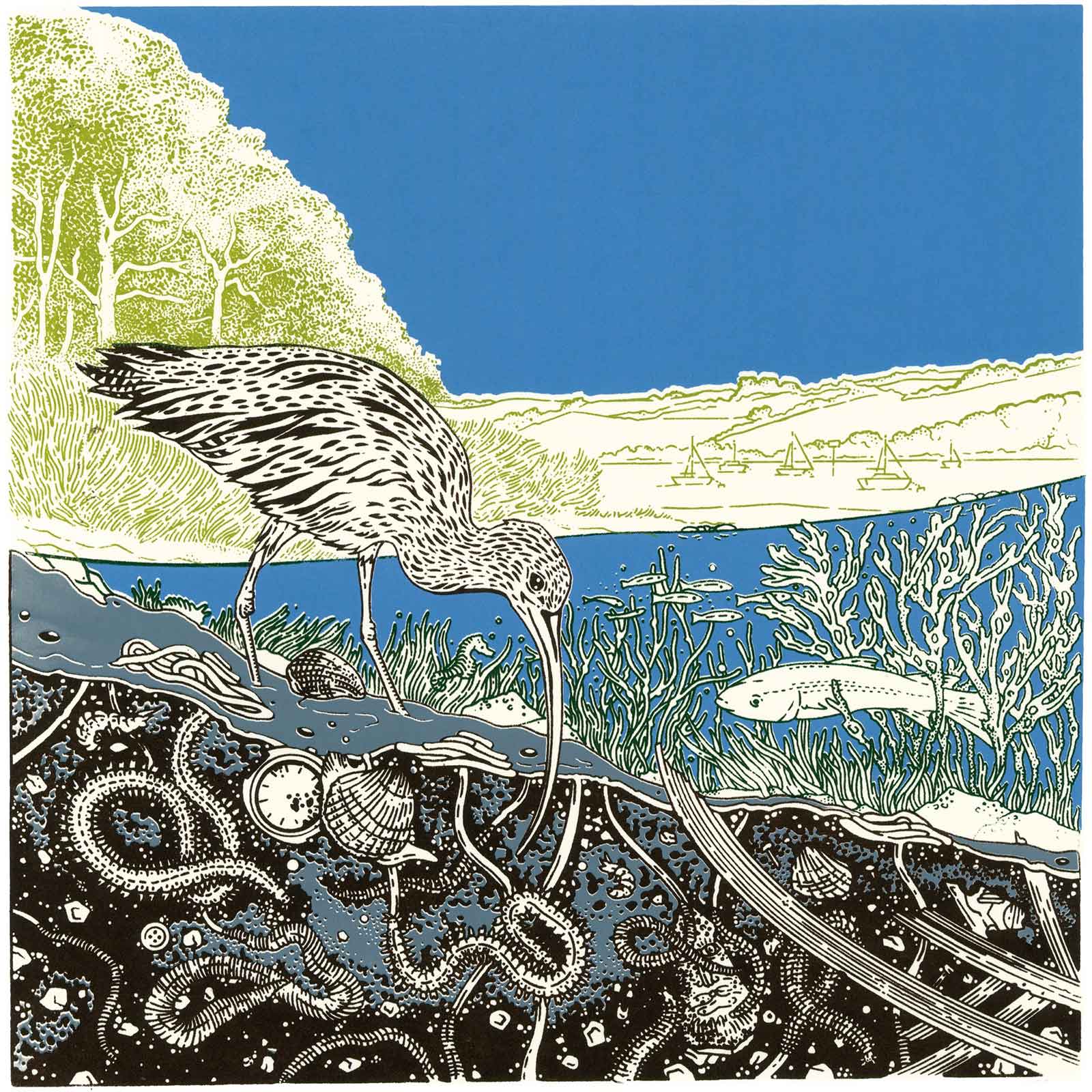
The estuary of the River Dart extends to where the freshwaters of the river catchment meet and mix with the tidal saltwater of the coast. Today, it is tidal up to the Totnes Weir, 12 miles from the river’s mouth.
Known as a ria, the estuary is a drowned river valley, carved out by melting glacier waters during the last Ice Ages. As the ice caps melted, the sea level rose by 120 meters, inundating the deep-sided river valley and forming the estuary and harbour of Dartmouth that we see today.
Twice a day, with the tide, the estuary changes dramatically; sand, shingle and mudflats give way to surging currents, choppy or tranquil depending on the weather. A journey along the tidal river reveals a waterscape of contrasts; steeply sloping cliffs to gentle pastureland, from woodlands with ancient oak trees to rocky shores, salt marshes and reed beds and historic towns and villages nestled into the water’s edge.
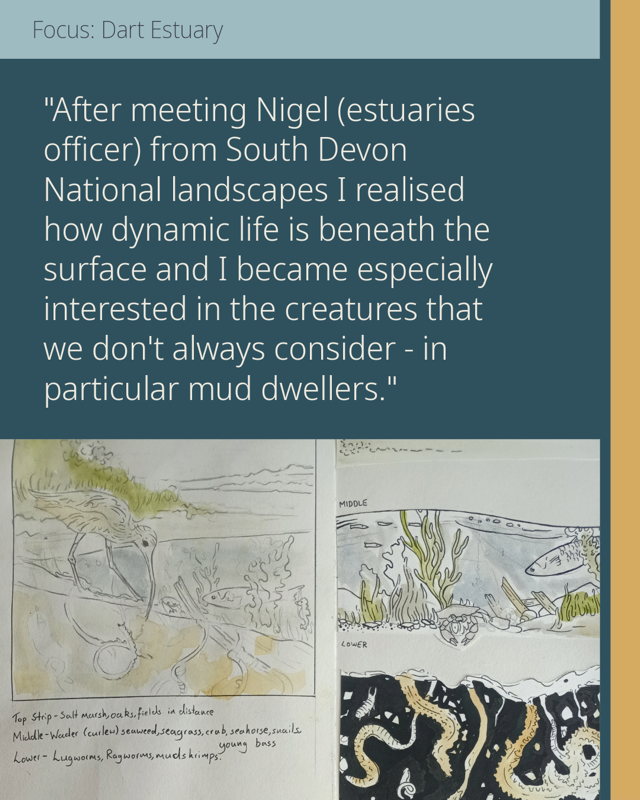
Estuaries, with their continually changing salinities and tidal exposure to the weather, typically support hardy wildlife species with lower diversity. However, those that can tolerate these conditions often thrive in astronomical numbers. The Dart Estuary is no exception, with its nutrient-rich catchment waters feeding colossal micro-organism communities that, themselves, support rich populations of mudflat worms, snails and clams with birds, fish, occasional seahorses as well as crabs, seals, otters and even visiting dolphins and porpoises.
Managed by the Dart Harbour Authority, with advice from the South Devon National Landscape Estuaries Partnership, the importance of this valuable natural resource, cannot be underestimated.
River Reflections
…Your Estuary Needs You – take nothing but care, leave nothing but ripples.
Healthy water is not just about the fish; it sustains the entire estuary ecosystem of which we are a part. Being considerate of both the seen and the unseen world of the estuary is an easy way to do our bit.
“Slow as you go!” on motorised craft to protect the banks. “Careful as you can!” with boats and other paddled craft-avoiding disturbance of the foreshore and seabed. Dragging boats through the mud or over the salt marshes disturbs the ground and innumerable invisible lives.
“Carry your craft where needed.” – invasive species can have a devastating effect on the estuary and can travel between different bodies of water on the bottom of craft and equipment; so, give it a good check, clean and dry before you go!
And of course, be aware that… plastics, litter, and toxins (such as oil from engines, some sunscreens and tick preventions on pets) can kill wildlife and spoil water quality.
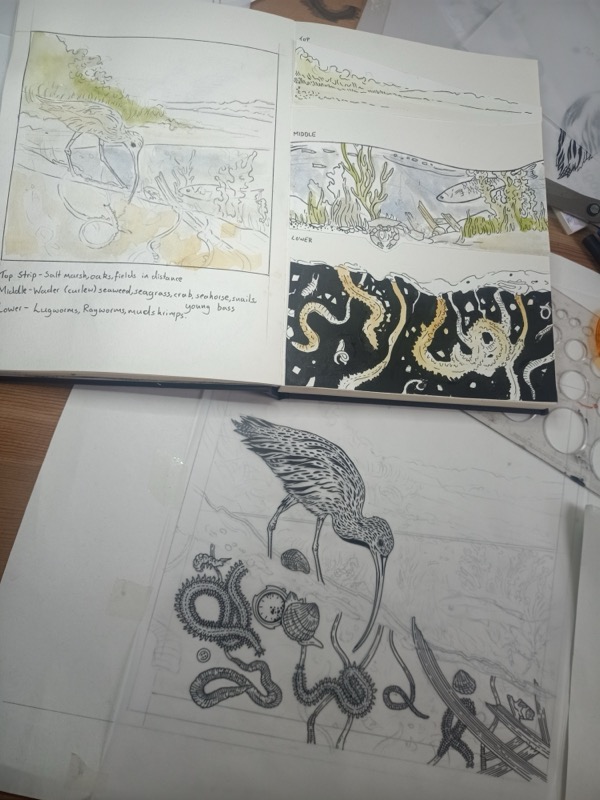
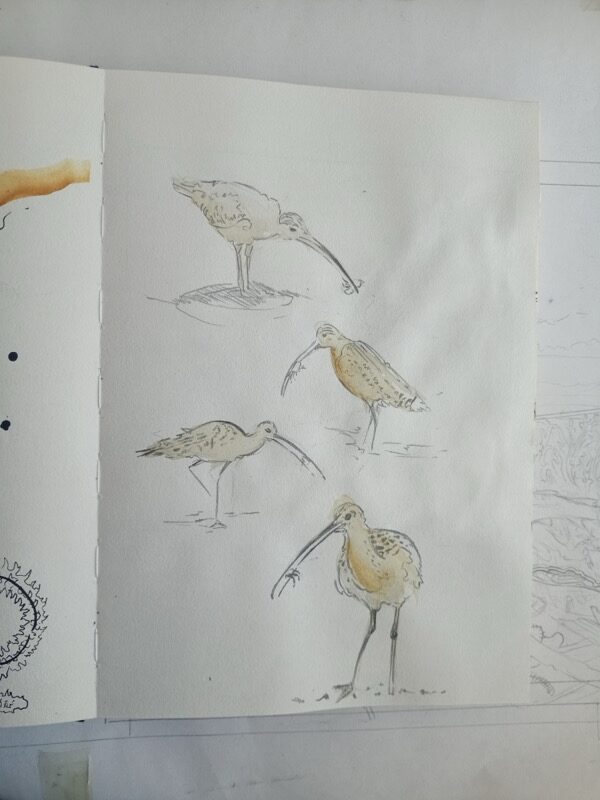
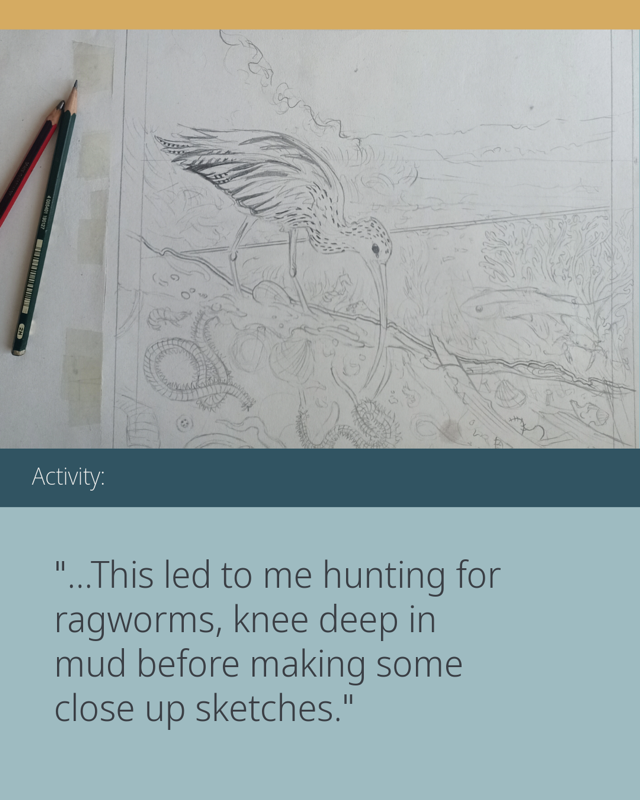
Field Notes
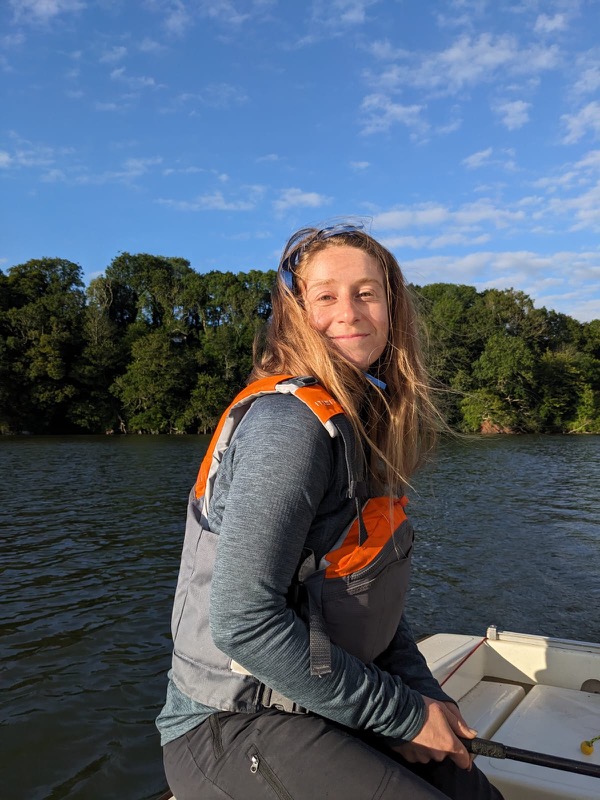
Creative Collaboration between Melaine Davies and Nigel Mortimer, Estuaries Officer, South Devon National Landscapes
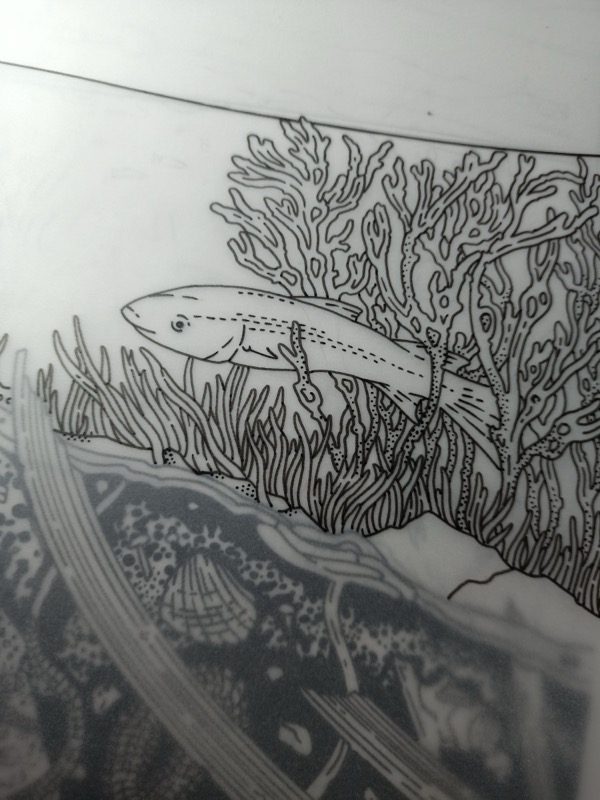
In the Studio

 No products in the basket.