

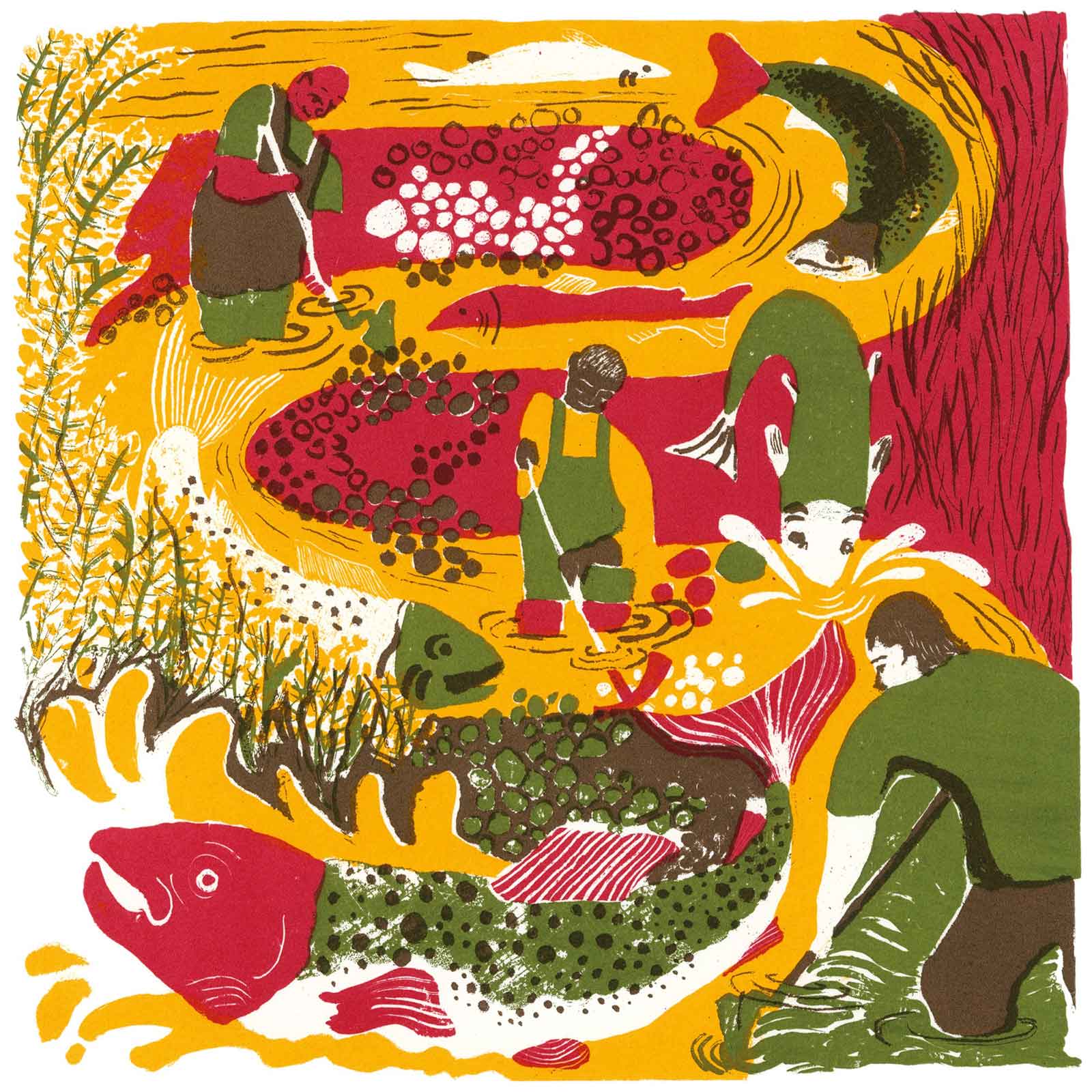
In recent years, Atlantic salmon stocks have declined to such an extent that they are now deemed to be an ‘endangered’ species. Conservation efforts are crucial to protect and promote the well-being of the fish and help ensure their survival. Up in the remotest reaches of Dartmoor, in September and October, preparation for the salmon spawning season is underway.
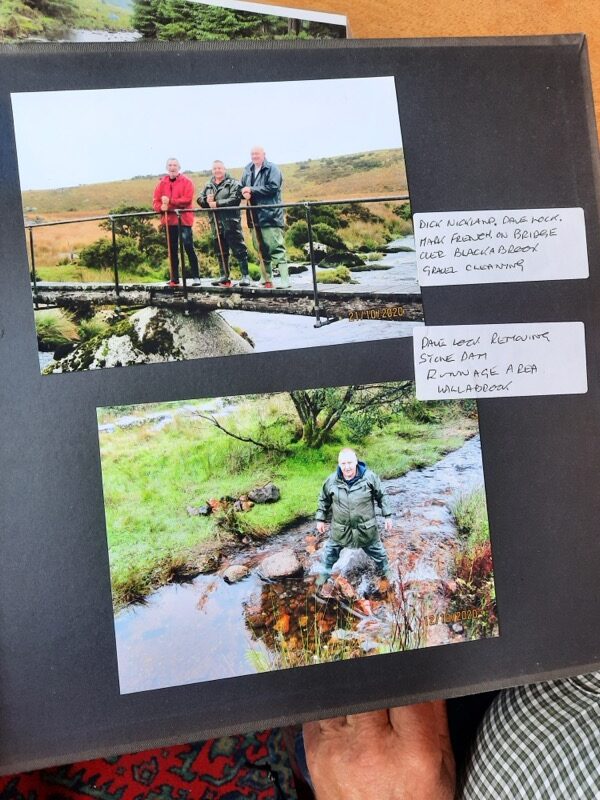
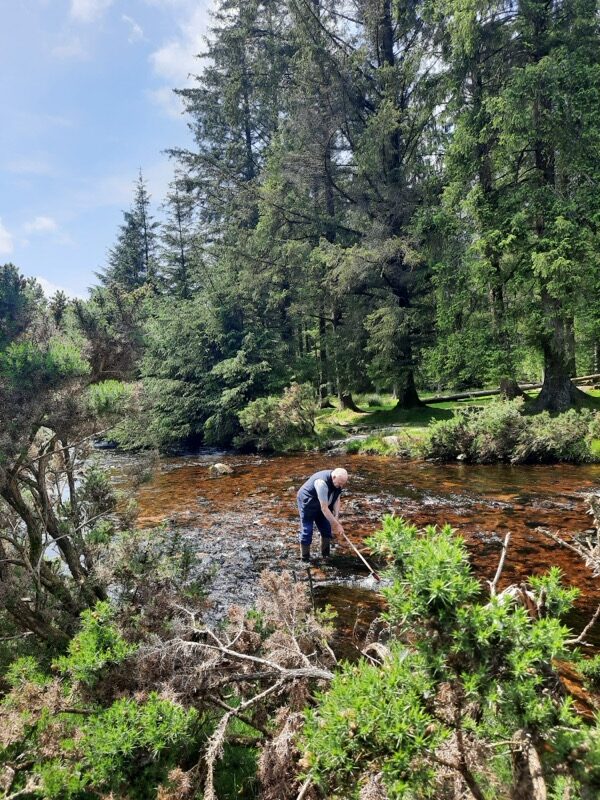
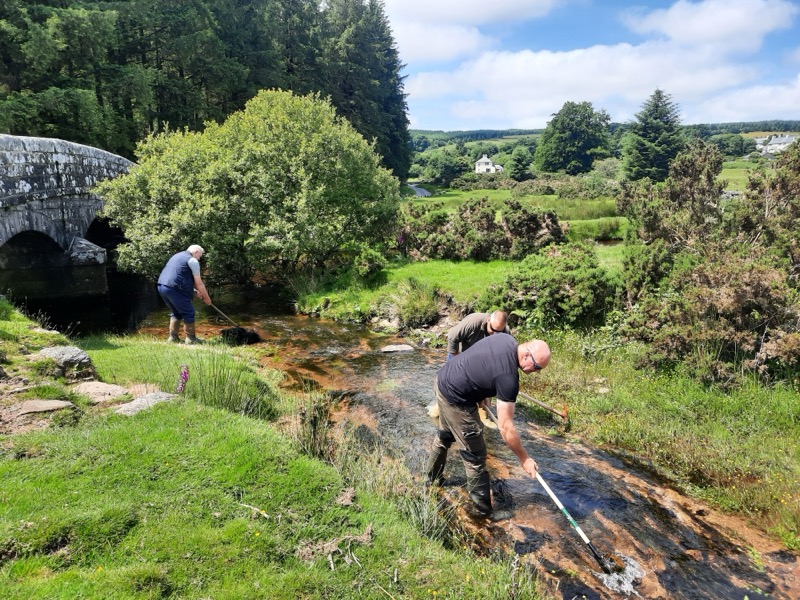
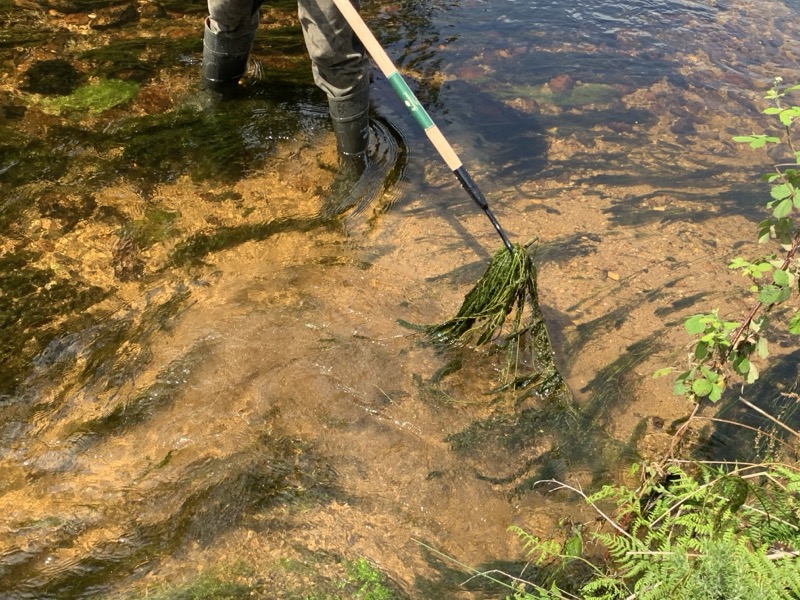
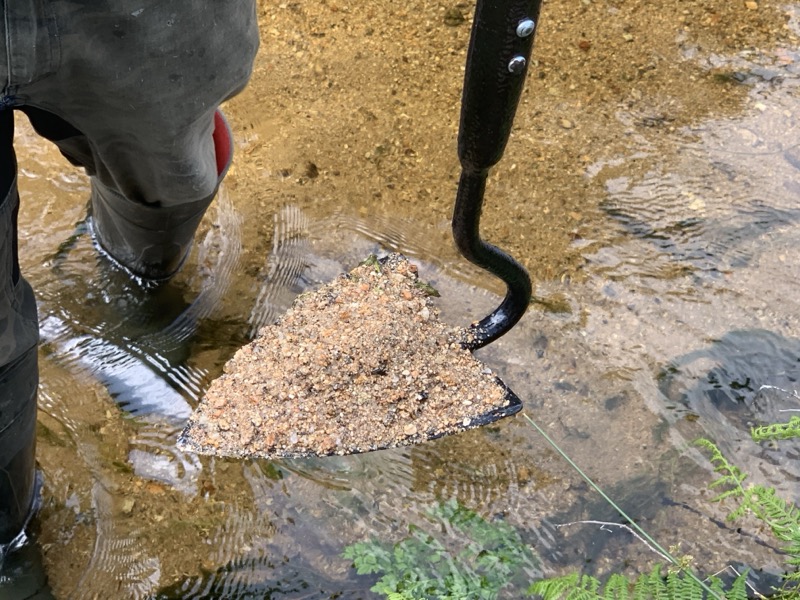
On the East and West Dart and their tributaries, such as the Blackabrook and Cherrybrook, volunteers clean the gravel beds in which both salmon and sea trout come to spawn. They remove weed, where necessary and any impediments to the passage of the fish, including man-made dams or litter left by the public. This increases the natural flow of the water along the riverbed, keeping the spawning- sites clean and providing a rich supply of oxygen for the developing eggs.
During November and the beginning of December, with the gravel-beds clean and the river running free, the salmon return to the waters in which they were born, ready to spawn. Seeking out shallow waters, they then “cut the redds” – making nests on the riverbed. After laying their eggs, they cover them with displaced gravel from upstream in order to protect them from predators. So, a new generation begins!
River Reflections
What lies below.
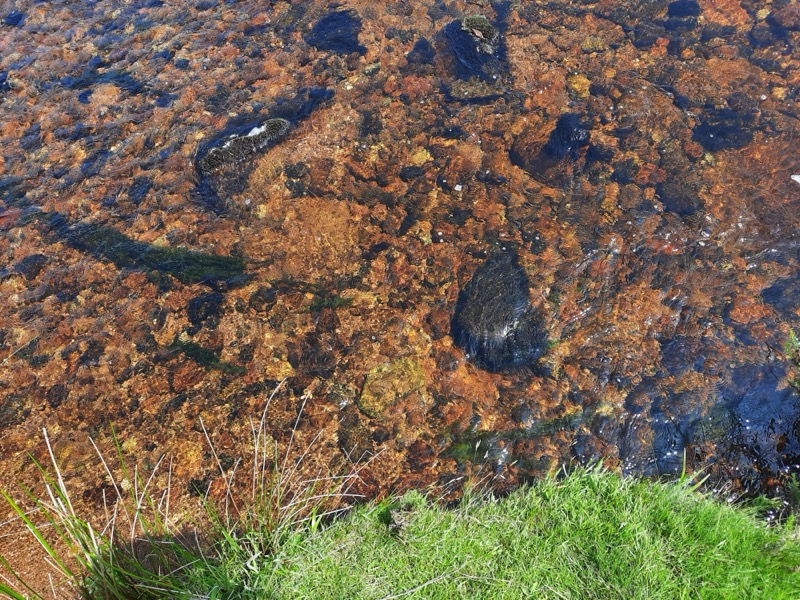
Stepping into the river… be aware of what lies beneath the surface and be curious about the secret life the river carries.
Salmon are a known indicator species. This means that their presence reflects the cleanliness and health of marine and freshwater systems. Such is the concern for their decline, that a number of environmental groups across the country, are carrying out vital research to investigate the potential factors contributing to this: climate change, in-sea netting, pollution, rising water- temperatures, acidity levels within upland spawning-systems and wider water- quality issues.
Field Notes
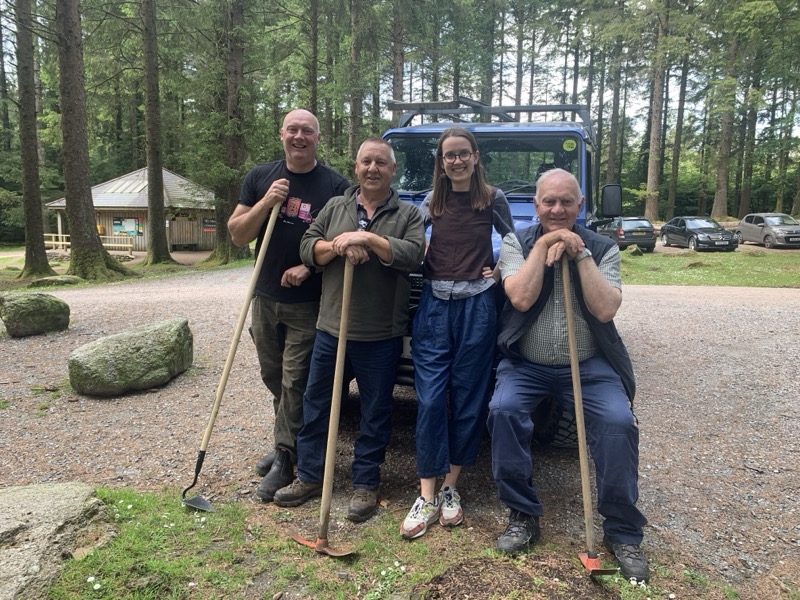
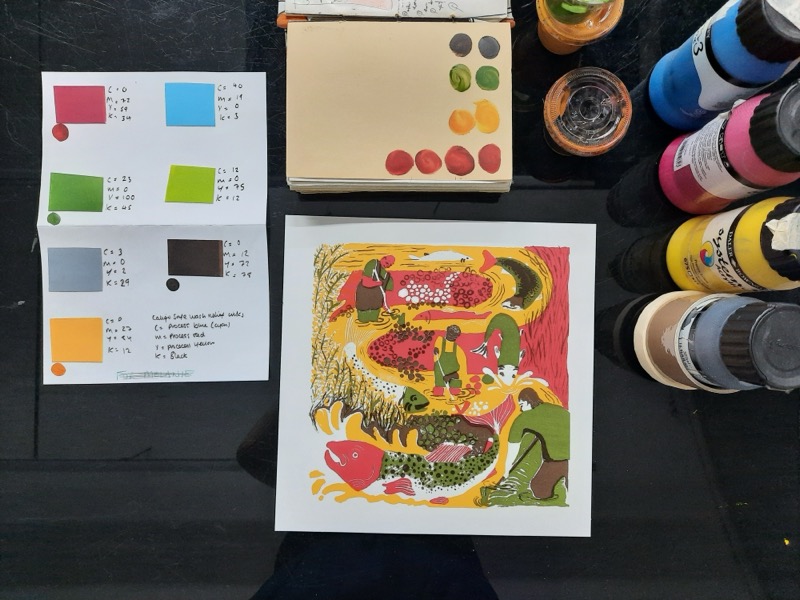
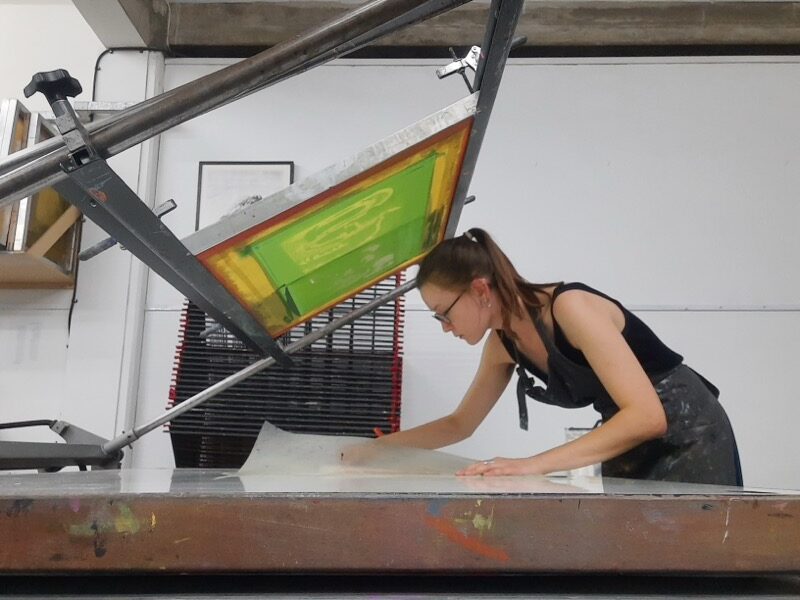
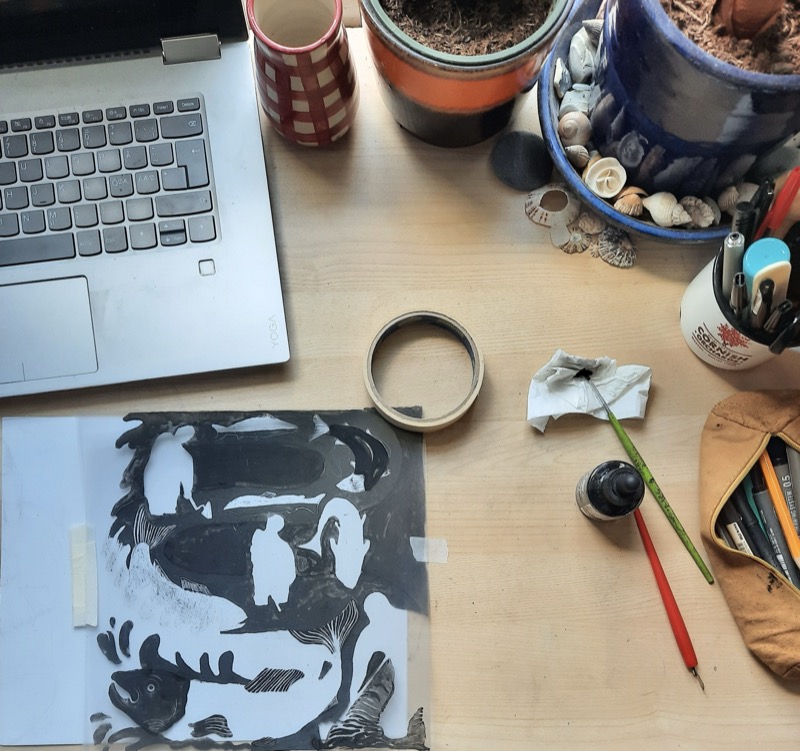
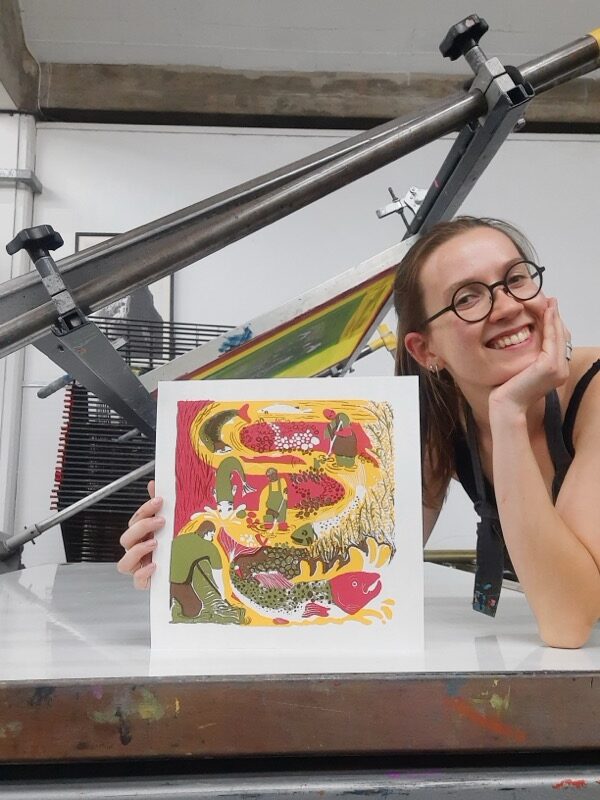
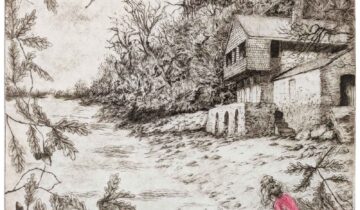
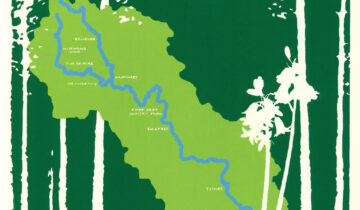
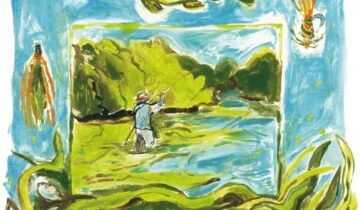
Creative Collaboration between printmaker Sanni Pyhaenniska, Dave French and his team on the East Dart.
Site Visit and Inspiration
“Meeting Dave and his group of volunteers who clean the river every autumn, was an invaluable, and fascinating opportunity to understand some of the work that goes on in keeping the river clean, not for people but for its inhabitants: the salmon, that travels miles from seas and oceans to come and spawn in the exact spot the fish itself has originated.” Sanni
In the Studio
 No products in the basket.